
 PL
 DE
 CS
 SK
 SV
 HU
 BG
 RO
 UK
 FR
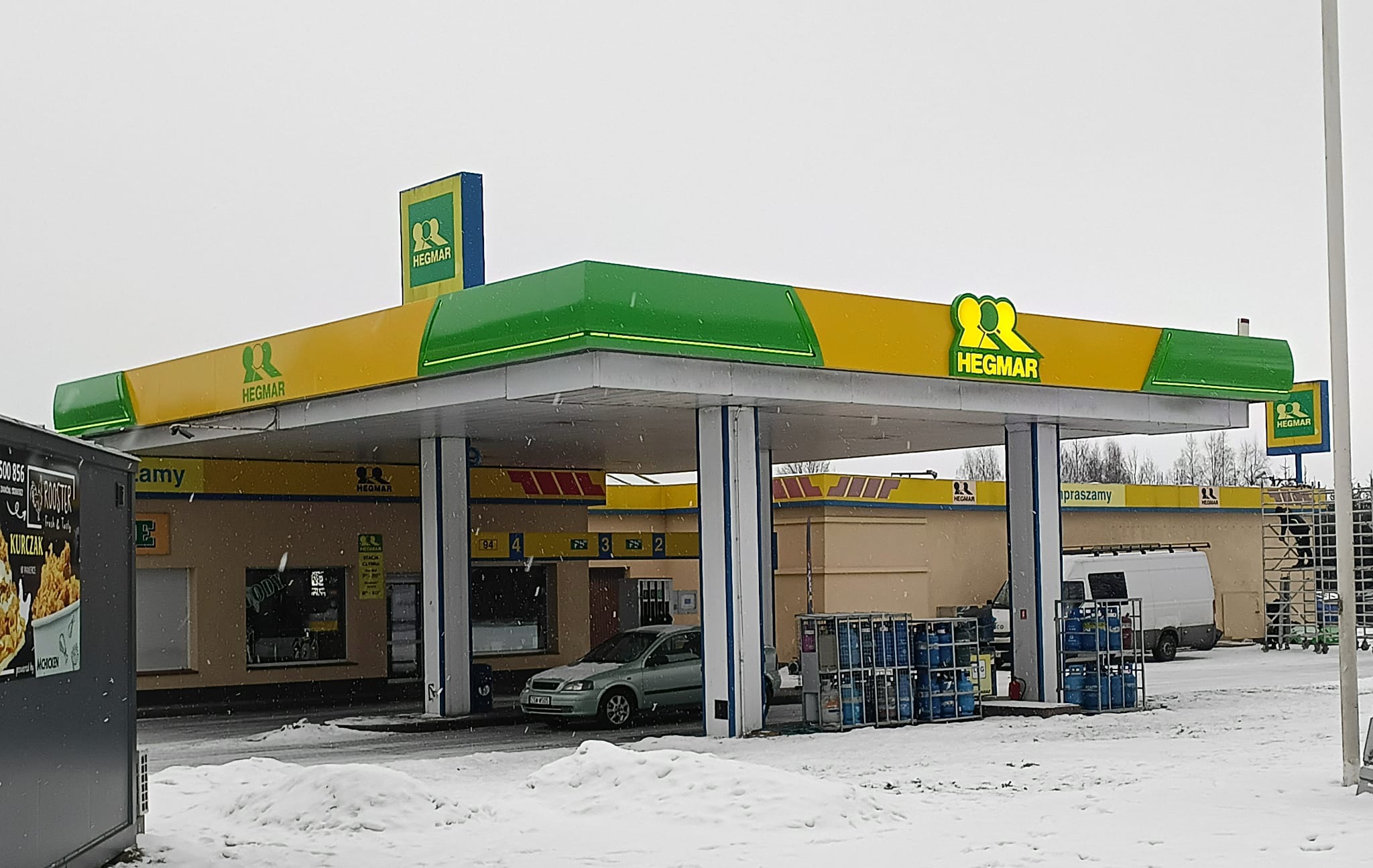
How to design an effective fuel station canopy fascia?
Fuel station fascias are a key element of the visual identity and branding of fuel sites. A well-designed fascia not only attracts customers’ attention but also increases brand recognition and the operational efficiency of the station. In this article we discuss the most important aspects of designing effective fuel station fascias.
Functions of fuel station fascias
Fuel station fascias have several important functions:
- Visual identity – they display the brand’s logo and colours
- Illumination – thanks to LEDs the canopy is visible after dark
- Information – they can carry fuel type markings and other messages
Key elements of a fascia design
Materials
Choosing the right materials is crucial for the durability and effectiveness of the fascia. The most commonly used materials are aluminium (strong and resistant to damage) and plastics (light and easy to shape). Modern materials make the structure more resistant to external damage and weather conditions.
Lighting
Correct fascia lighting is key to visibility and safety. We recommend LED lighting (energy-efficient and durable), an even light distribution and the right intensity, so that it is comfortable for drivers’ eyes.
Colours and branding
Consistent colours and branding elements are essential for an effective visual identity. This means using the brand’s characteristic colours, a clear and legible logo, and consistency with the other visual identity elements of the station (price sign, shop signage).
Dimensions and shape
The fascia should be adapted to the specific fuel station: it should cover all sides of the canopy, take into account the canopy’s height and width, and provide good visibility from different directions.
The fascia design process
When designing an effective fuel station fascia, pay attention to several key elements that determine its functionality, durability and visual effect.
1. Analysis of needs and conditions
- Defining the specific features of the fuel station
- Analysis of the location and surroundings
- Identifying legal and technical requirements
2. Concept and visualisation
- Preparing initial designs
- Preparing 3D visualisations
- Consultations with the client and revisions
3. Technical design
- Detailed technical drawings
- Specification of materials and components
- Structural calculations
4. Production and installation
- Choosing the fascia manufacturer
- Quality control of the workmanship
- Professional on-site installation
Trends in fuel station fascia design
Ecology and sustainability
This means using environmentally friendly materials and energy-efficient LED lighting, as well as the possibility of recycling fascia components.
Integration with modern technologies
This trend includes digital displays with current fuel prices, interactive information elements and modern lighting management systems.
Personalisation and flexibility
Here it is about modular structures that allow easy replacement of elements and a quick change of branding when a network rebrands – which is not a rare practice in the fuel market.
Legal aspects and safety
When designing a fuel station fascia, you must also ensure compliance with local building regulations, fire safety standards and environmental requirements. When we design a fascia, we take into account the structural requirements and the regulations that apply to the site.
You will find a comparison of the options in our guide to types of fuel station fascias.
To sum up
Designing an effective fuel station fascia requires taking many factors into account, from functionality to aesthetics. The key is combining an attractive design with durability and safety. Working with an experienced manufacturer such as ASPERA makes it possible to create a fascia that meets all technical requirements and also attracts customers’ attention and strengthens the brand image.
Remember that fuel station fascias are not just decorative elements but above all an important part of the site’s visual identity and functionality. A well-designed fascia can contribute significantly to a fuel station’s success by increasing its recognition and its appeal to customers.
Planning a new investment, a modernisation or a rebranding? Let’s talk about your site.