
 PL
 DE
 CS
 SK
 SV
 HU
 BG
 RO
 UK
 FR
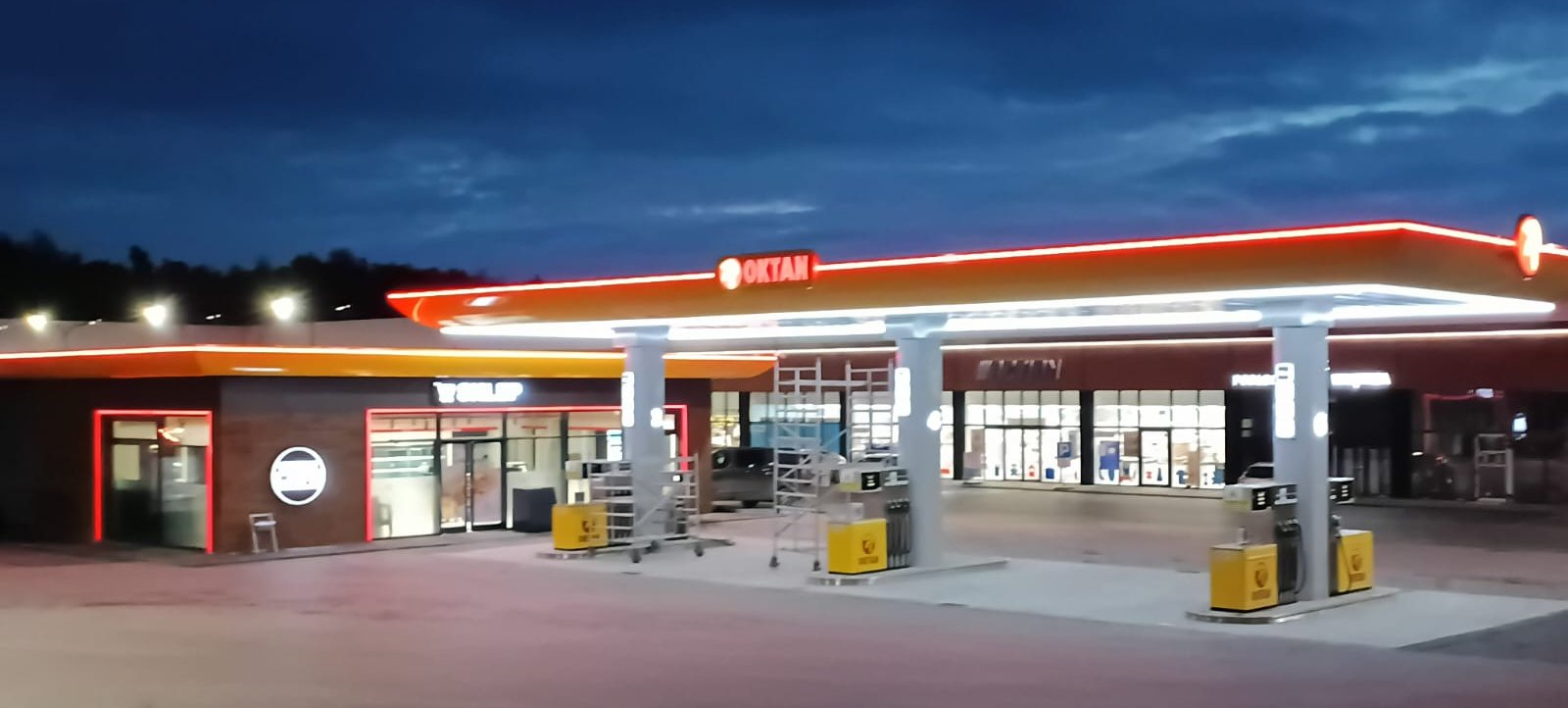
How to open a fuel station? A step-by-step plan
The idea of your own fuel station sounds simple: a good location, dispensers, a shop and a steady flow of drivers. In practice it is an infrastructure project with high safety requirements, environmental formalities and a large number of approvals. That is why questions such as how to open a petrol station and how to open a fuel station only make sense when we break the topic down into real stages: from analysing the plot, through design decisions, to acceptance and the start of operations.
1) Business model: before you ask “how to open a petrol station”, choose the type of station
If you are searching for how to open a petrol station, first answer one question: what kind of station do you want?
The most common models:
- Independent station (own brand): more freedom, but more responsibility for supplies, the purchase price of fuel and marketing.
- Franchise station / under a network’s banner: easier in terms of image and operations, but with brand requirements, standards and fees.
- Automatic / unmanned station (partly or fully): lower staff costs, more emphasis on technology, monitoring and security.
Conclusion: how to open a fuel station in practice means “what station am I building and how will it earn money” – fuel, shop, additional services, fleets, car wash, EV, food service.
2) Location and plot: the most common source of problems in the investment
When it comes to how to open a fuel station, location is not just “where the traffic is”. It also means:
- the possibility of building an access road / junction (road approvals),
- distances from buildings, utility networks and plot boundaries,
- ground and water conditions (cost of groundworks and protections),
- access to utilities and connection options,
- planning conditions (what may be built there at all).
A common mistake: buying a plot “for the traffic” and only checking the formal side later. If you want to approach how to open a petrol station professionally, the plot is verified before purchase or with a condition in the contract.
3) Formalities and decisions: this is where the project either gains pace or stalls
In building a fuel station, formalities are not one document but a whole process. Depending on the location and scale, they may include:
- environmental procedures (impact assessment, reports, approvals),
- connection conditions (electricity, water, sewerage, sometimes gas),
- fire safety and health and safety approvals,
- road approvals (access roads, signage, traffic management),
- permits and notifications arising from technical regulations for fuel facilities.
If you ask how to open a fuel station, in practice you are also asking: do I have a competent team that will handle the formalities and not miss deadlines?
4) Process design: the heart of the station and an area without compromise
This is the stage where the following are decided:
- type and capacity of the tanks,
- dispenser layout and capacity,
- safety zones and leak monitoring,
- process installations, sewerage, drainage,
- traffic layout on the forecourt.
At this point the question how to open a petrol station has a very concrete answer: you open it when the process design is consistent with the plot, the formalities and the sales plan.
5) Construction and execution: a schedule that protects against extra costs
Building a fuel station is a sequence of works that cannot be “reordered” without costs:
- groundworks and underground installations,
- foundations for the dispensers and canopy,
- installation of tanks and technology,
- connections and power supply,
- canopies, forecourt, drainage,
- sales systems, automation, monitoring,
- shop infrastructure (if there is one),
- signage and image elements.
In practice “how to open a fuel station” also means “how not to get stuck on corrections” – which is why partial acceptances, as-built documentation and a quality regime are key.
6) Visual identity and visibility: not an add-on but part of sales
Many investors leave signage until the end. The result? Improvisation, alterations, makeshift boards and mismatched power points.
If you take how to open a petrol station seriously, plan in parallel:
- the price sign (visibility and legibility),
- fascias and canopy markings,
- directional traffic signage on the site,
- LED lighting and night-time visibility,
- brand consistency (colours, materials, proportions).
This has a real impact on conversion: the driver should notice the station, drive in without stress, refuel and drive off.
7) Fuel supply and sales: where does the fuel come from and how does the station earn money?
This is the core of the question how to open a fuel station:
- what fuel source and what commercial terms,
- how you manage prices and margin,
- whether you target retail customers, fleets or a mix,
- whether you have additional services (car wash, shop, food service, EV).
Stations rarely earn money on fuel alone. That is why the revenue model should be calculated before the first spade goes into the ground.
8) Staff, procedures and operational start
The last weeks before opening usually involve:
- recruitment and training,
- safety and customer service procedures,
- implementation of POS, payment and reporting systems,
- logistics of stocking the shop,
- testing of dispensers and equipment,
- preparing on-site signage and communication.
Conclusion: how to open a petrol station also means “how to start without chaos” – and that is done with a checklist and a dress rehearsal.
FAQ
What is the safest way to organise opening a fuel station?
Start with the business model, verification of the plot and the formalities. Design the technology and forecourt layout in parallel.
How long does it take to open a fuel station from scratch?
It depends on the formalities, plot conditions and scale of the investment. Decisions and approvals usually take the most time.
What most often delays the opening?
Underestimating the formalities, problems with connections, design changes during construction and leaving the visual identity until the very end.
Is it worth planning signage already at the design stage?
Yes – because it affects foundations, cable routes, power supply and acceptances. This saves time and money.
Summary
The questions how to open a petrol station and how to open a fuel station sound simple, but the answer is a project: choosing the model, verifying the plot, formalities, process design, construction, acceptance and only then the start. The best results are achieved by investors who plan from the beginning both the technology and safety and the visibility of the site: the price sign, signage, LED and a clear directional system. This is not cosmetics – it is part of sales.
Aspera designs and manufactures canopy structures, fascias, price signs and station signage – including installation. Formalities, fuel technology and installations are handled by the investor’s specialised partners. Planning a new investment, a modernisation or a rebranding? Let’s talk about your site.