
 PL
 DE
 CS
 SK
 SV
 HU
 BG
 RO
 UK
 FR
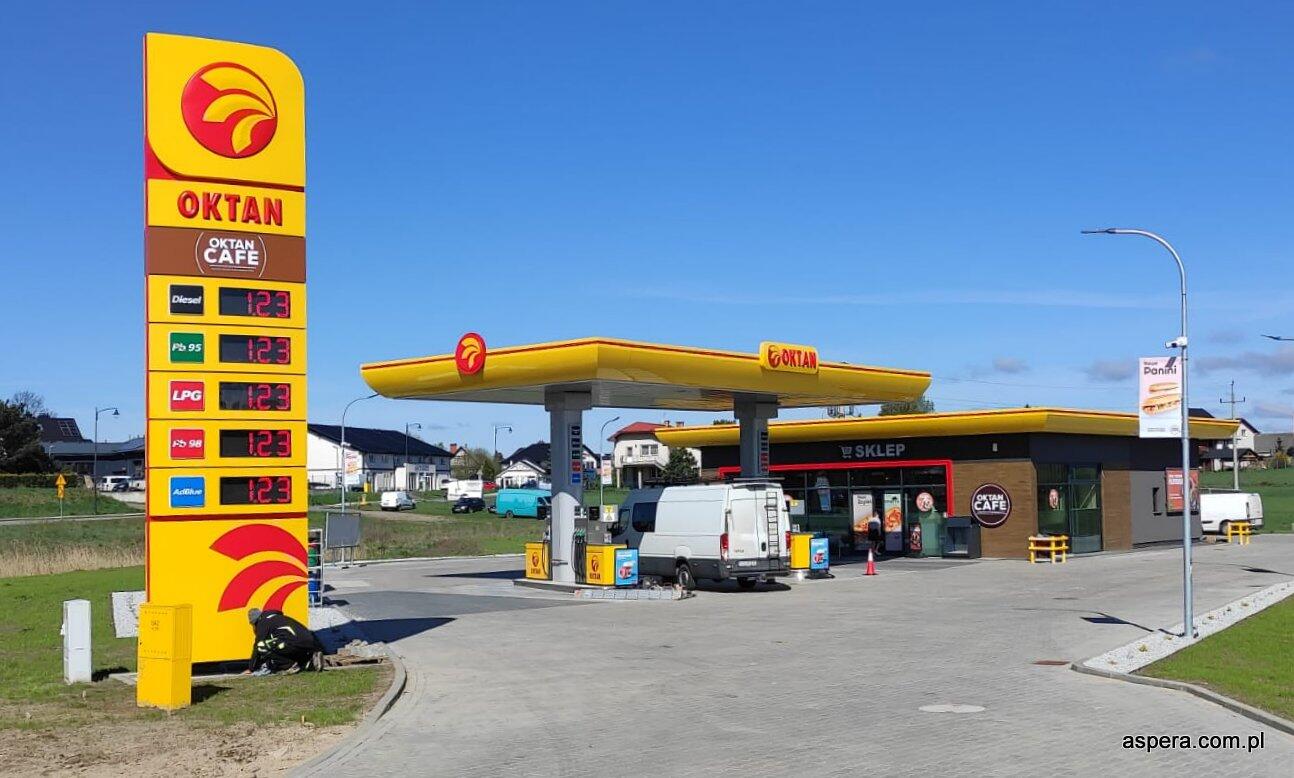
How to sign a fuel station effectively?
Fuel station signage is a key element that affects sales volume and, as a result, the owner’s profits. In this article we show how to sign a fuel station effectively so that it meets users’ needs and, above all, maximises the chances of a sale.
Why is fuel station signage important?
Good fuel station signage is not only a matter of aesthetics but above all of functionality. With well-designed signs, drivers can quickly find the entrance, exit, fuel dispensers, car wash or shop. This leads to better traffic organisation and greater safety for both customers and station staff. Signage can take the form of simple arrows or more detailed descriptions that tell customers where the facilities on the site are.
Types of fuel station signage
There are several types of signage at a fuel station, each with a different function. Each type has its own specific use and should be designed accordingly.
Directional signage
Directional signage is the foundation. Entrance and exit boards, arrows leading to individual service points and parking markings should be legible and clearly visible both by day and at night. It is worth investing in boards with reflective materials that improve visibility after dark.
Fuel dispenser signage
Every fuel dispenser should be clearly marked so that drivers can quickly identify which one is right for their vehicle. Colours, numbering and pictograms help to recognise the fuel type quickly (petrol, diesel, LPG).
Service area signage
Fuel stations often offer additional services such as car washes, shops, cafés or rest areas. Each of these areas should be clearly signed so that customers can find them easily. It is also worth keeping a uniform style for all signs, which improves the look and consistency of the whole station.
Safety signage
Safety signage is essential for the safe use of a fuel station. It includes warning signs, prohibitions and emergency instructions. Examples are no-smoking signs, instructions for using the dispensers and guidance on emergency procedures such as fire-fighting or evacuation. Such signs help minimise the risk of accidents and keep both customers and staff safe.
Key elements of fuel station signage
Fuel station signage should be well thought out and include several key elements that make it effective. The most important ones are:
- Visibility and legibility: signs must be clearly visible both by day and at night. Reflective materials or illuminated boards are worth using.
- Visual consistency: all signs should share a uniform style in line with the brand’s visual identity.
- Location: signs must be placed in strategic spots so that they are easy to notice and intuitive for customers.
- Clear messages: the information on the signs should be simple and understandable so as not to cause confusion.
In conclusion
The choice of materials for fuel station signage has a major impact on durability and legibility. The best choice is weather-resistant materials such as aluminium, galvanised steel or plastics with a UV coating. Boards should also be easy to clean so that they keep their appearance for many years. LED displays are increasingly common at fuel stations. They can show promotional messages or information about current offers, which can help increase sales.
Interactive kiosks are another innovative solution that can significantly improve customer service at a fuel station. Such devices can provide detailed information about services and local maps, and even allow payments or bookings of additional services such as a car wash or car service. Want to know more? Visit our directional signage page.
Planning a new investment, a modernisation or a rebranding? Let’s talk about your site.